Artist Biography
1832 – 1883
Nationality
France
Movement
Romanticism; the Romantic sublime; Victorian illustration; literary illustration
Period
Romanticism
Works in archive
9 artworks
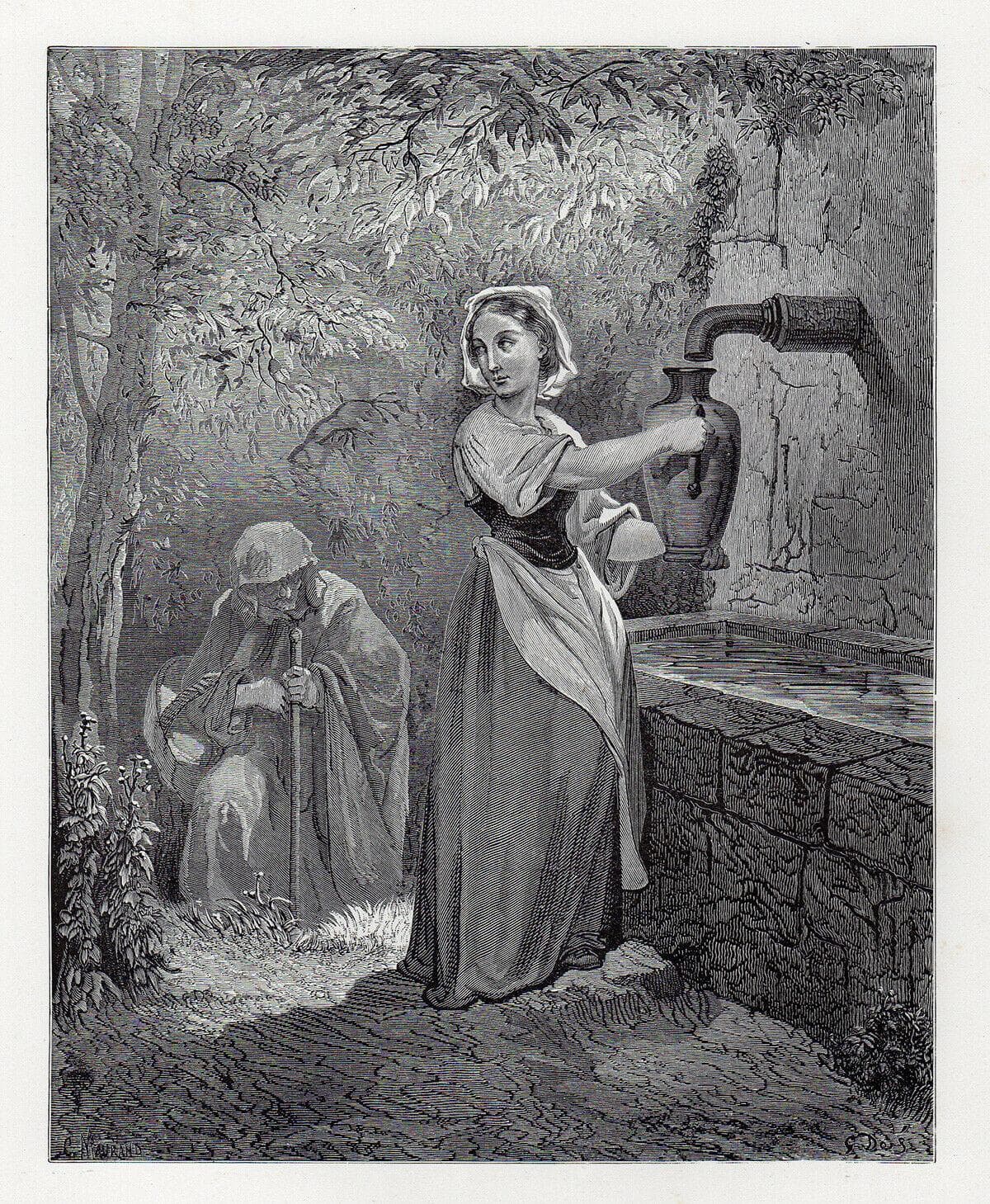
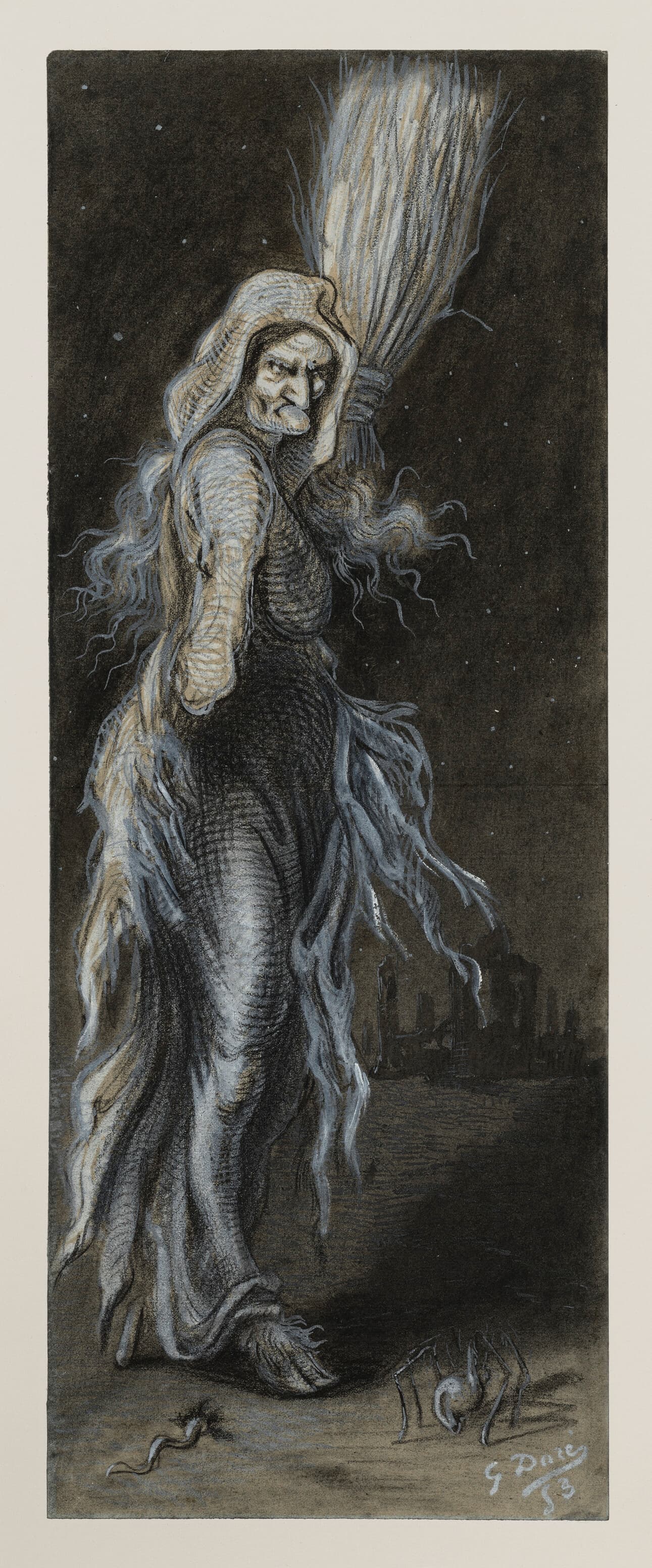
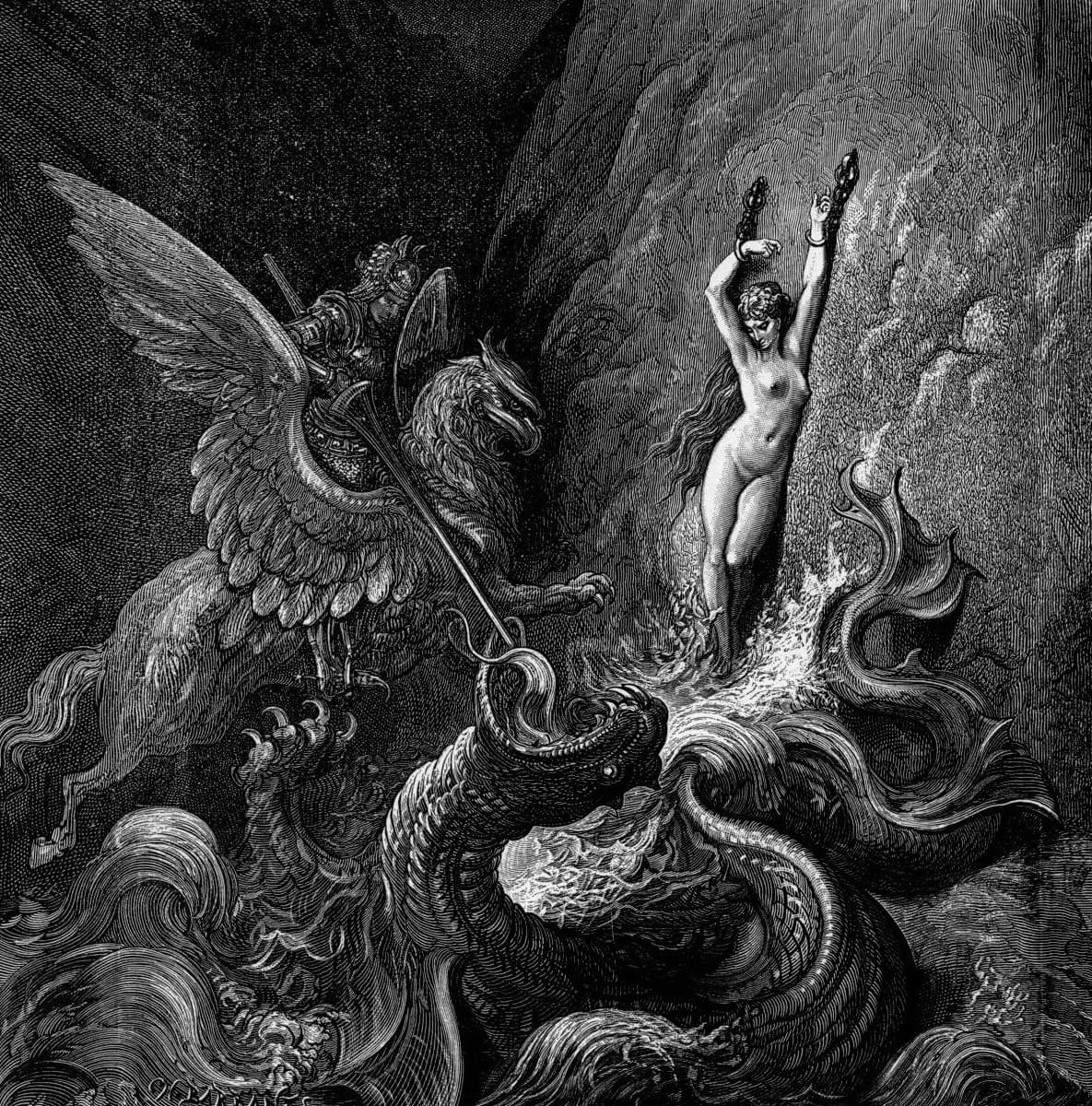
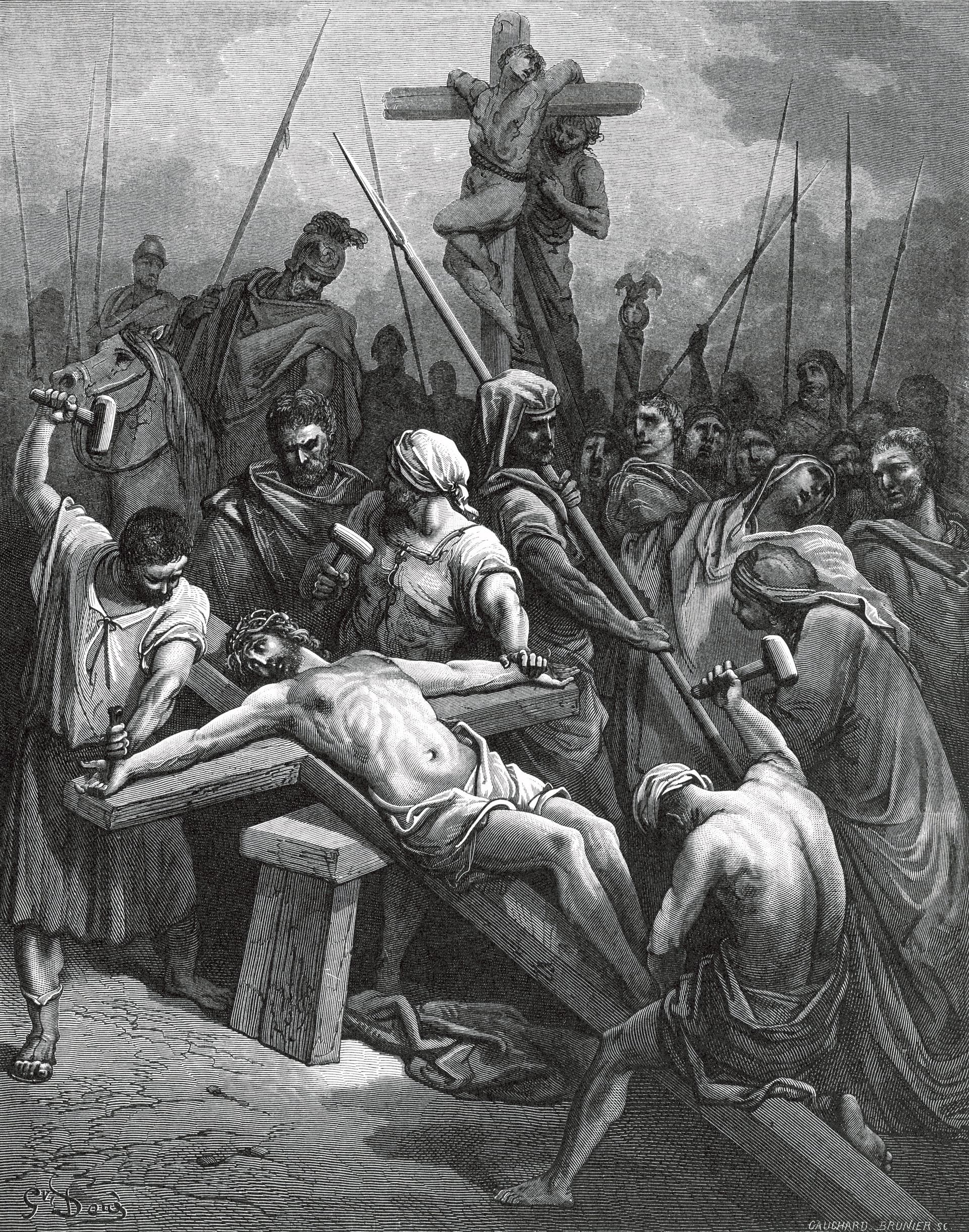
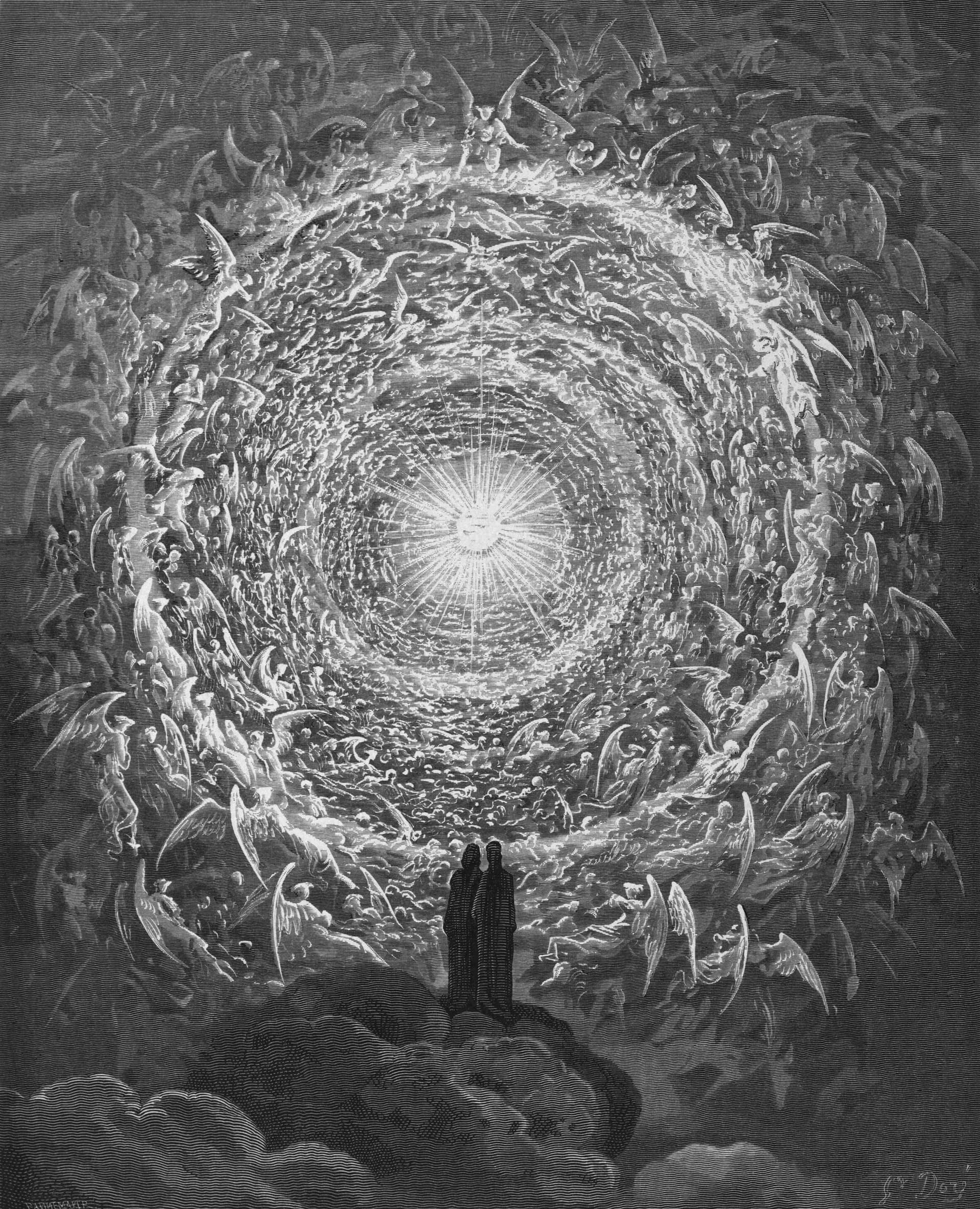
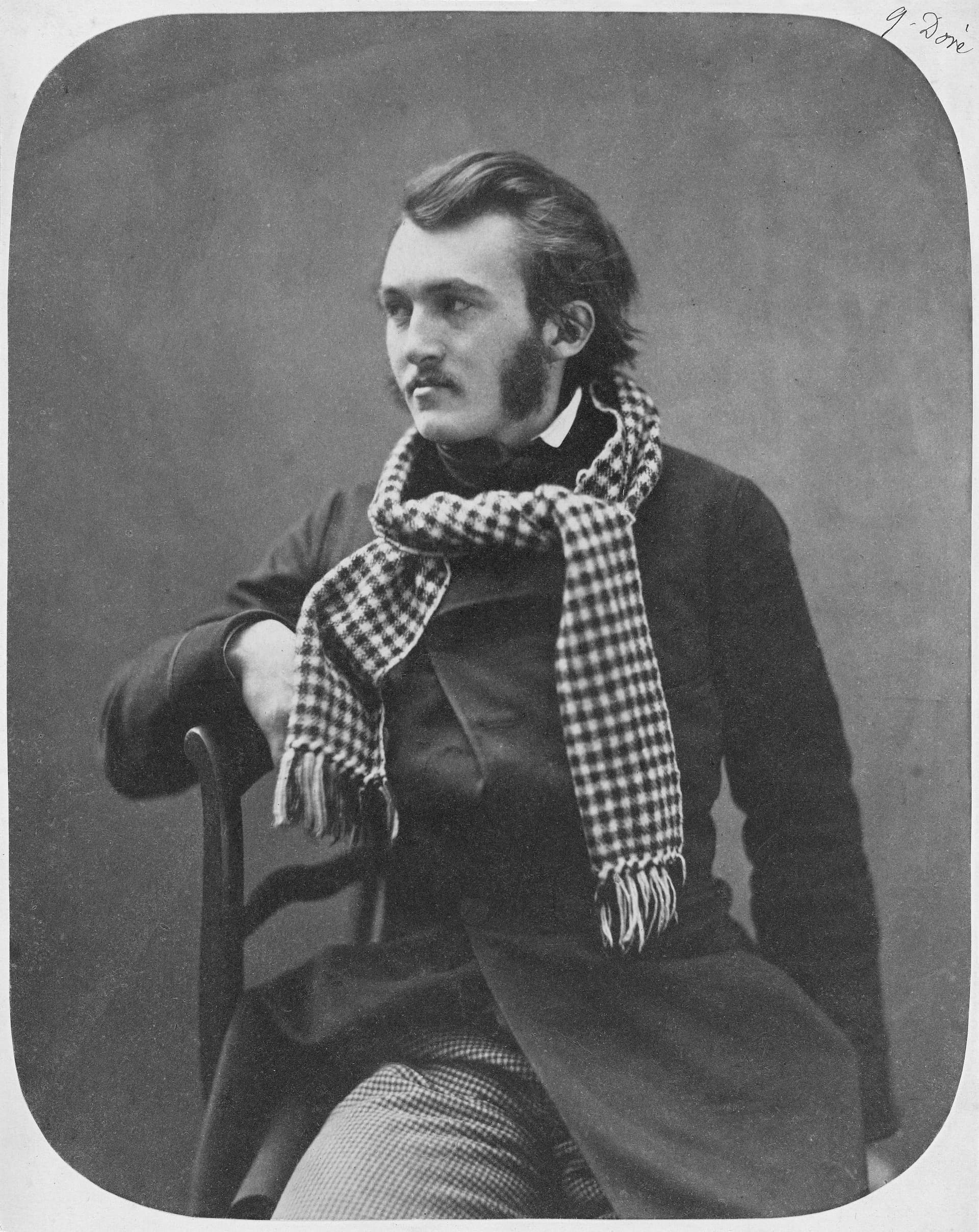
Paul Gustave Louis Christophe Doré (6 January 1832 – 23 January 1883) was a French printmaker, illustrator, painter, comics artist, caricaturist, and sculptor. He is best known for his prolific output of wood-engravings illustrating classic literature, especially those for the Vulgate Bible and Dante's Divine Comedy. These achieved great international success, and he became renowned for printmaking, although his role was normally as the designer only; at the height of his career some 40 block-cutters were employed to cut his drawings onto the wooden printing blocks. He created over 10,000 illustrations, the most important of which were copied using an electrotype process using cylinder presses, allowing very large print runs to be published simultaneously in many countries. Although Doré's work was popular with the general public during his life, it was met with mixed reviews from contemporary art critics. Known in his own lifetime as "the last of the Romantics," Doré was a protean artist who worked across the main genres and formats of his era, from satire to religion, from intimate sketch to monumental canvas. His literary folio illustrations, dense, dramatic, technically staggering became the visual language through which millions of readers across Europe and America imagined Dante's Hell, the landscapes of Don Quixote's Spain, the London of the Victorian poor, and the scenes of the Old and New Testament.
Listen
click play to listen
Archive