Artist Biography
1853 – 1890
Nationality
Netherlands
Movement
Painter, draughtsman; formerly art dealer, missionary
Period
Post-Impressionism; precursor to Expressionism and Fauvism
Works in archive
16 artworks
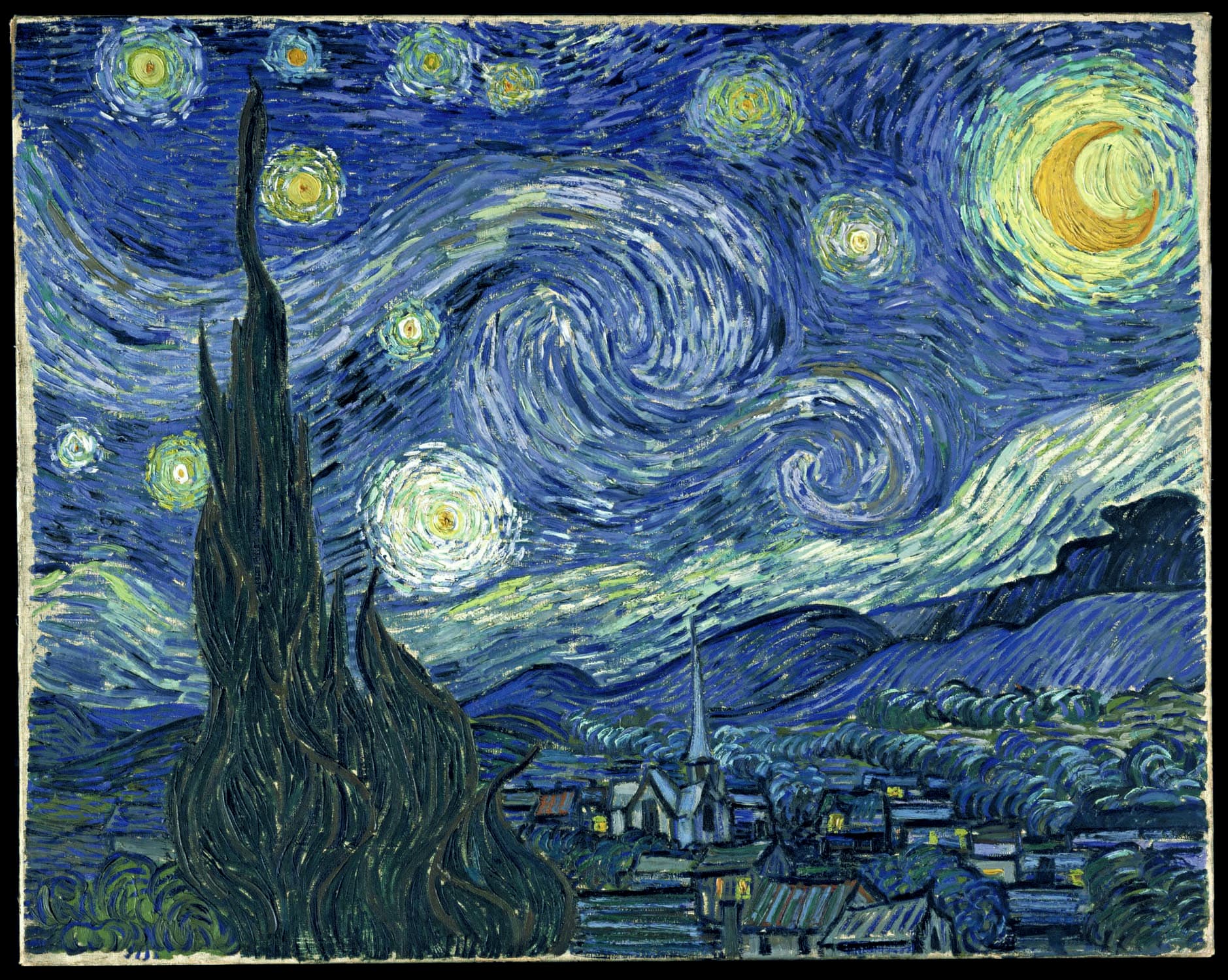
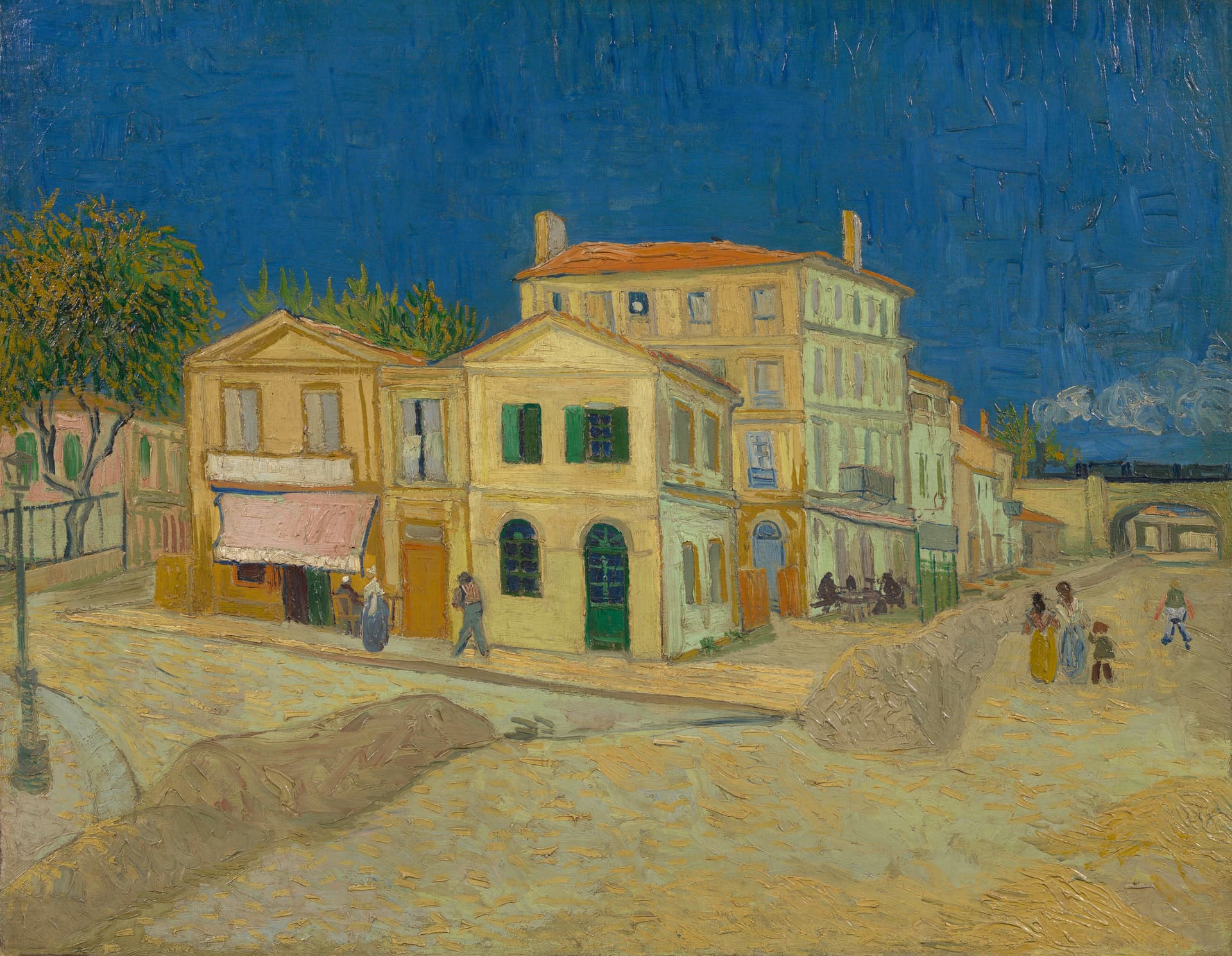
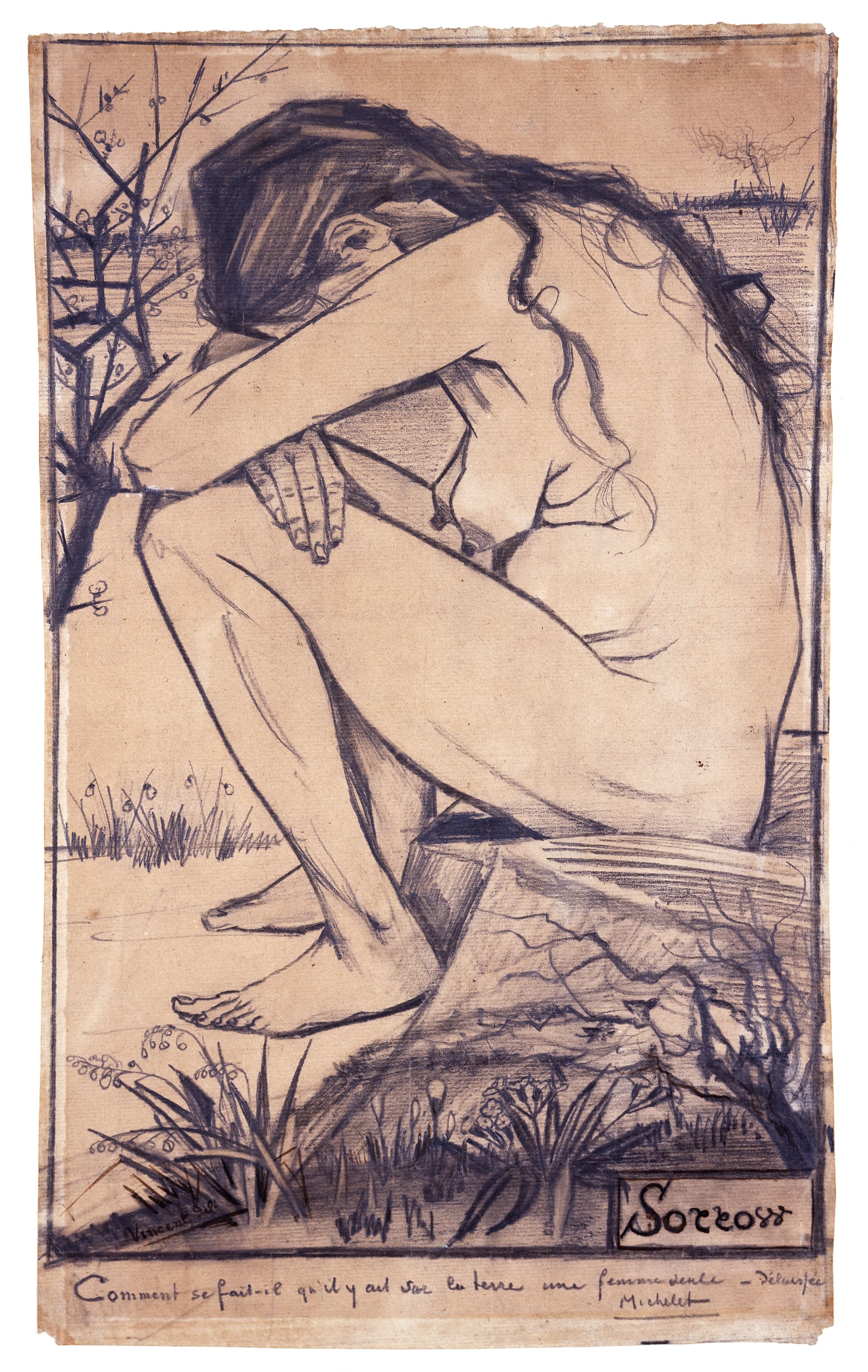

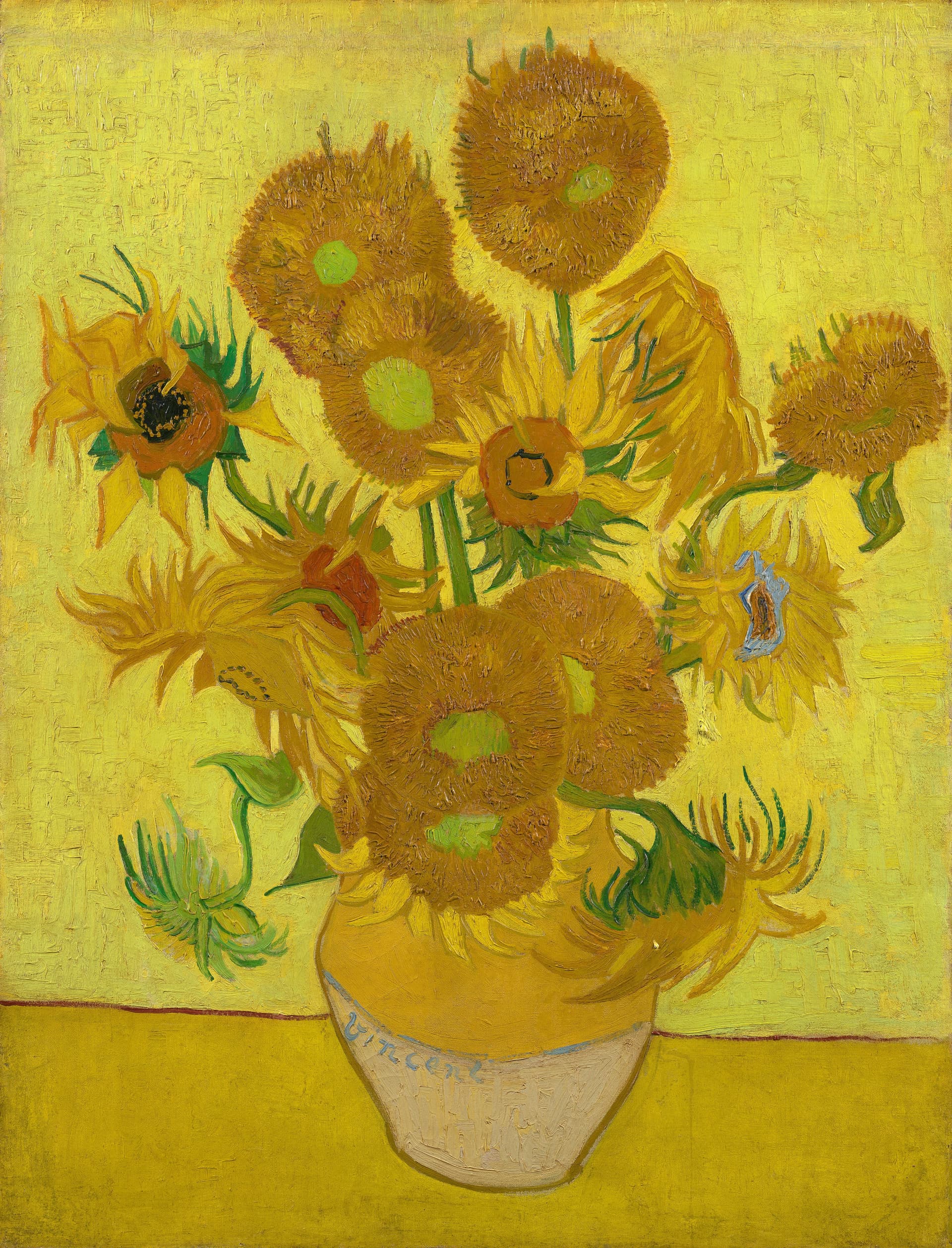
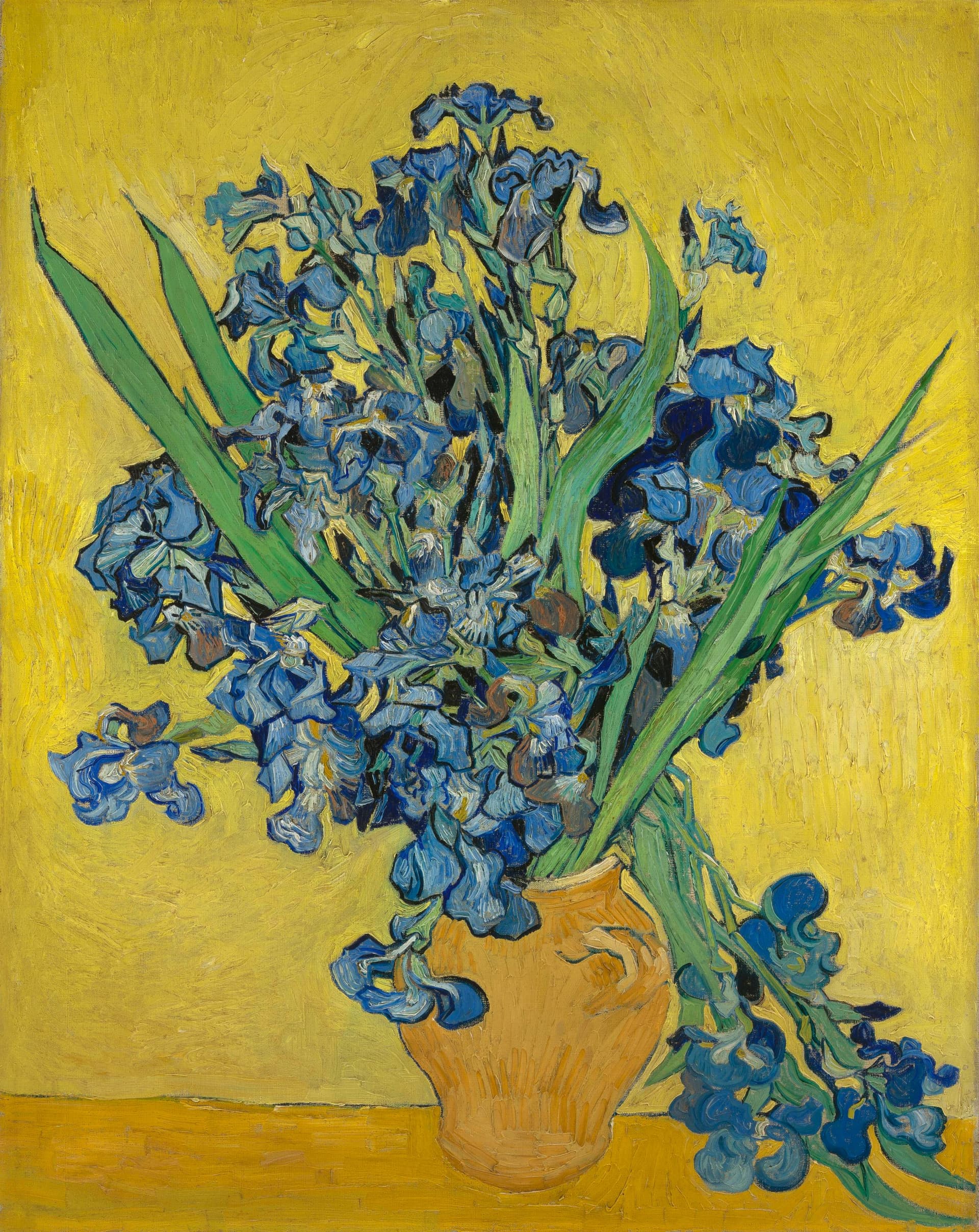
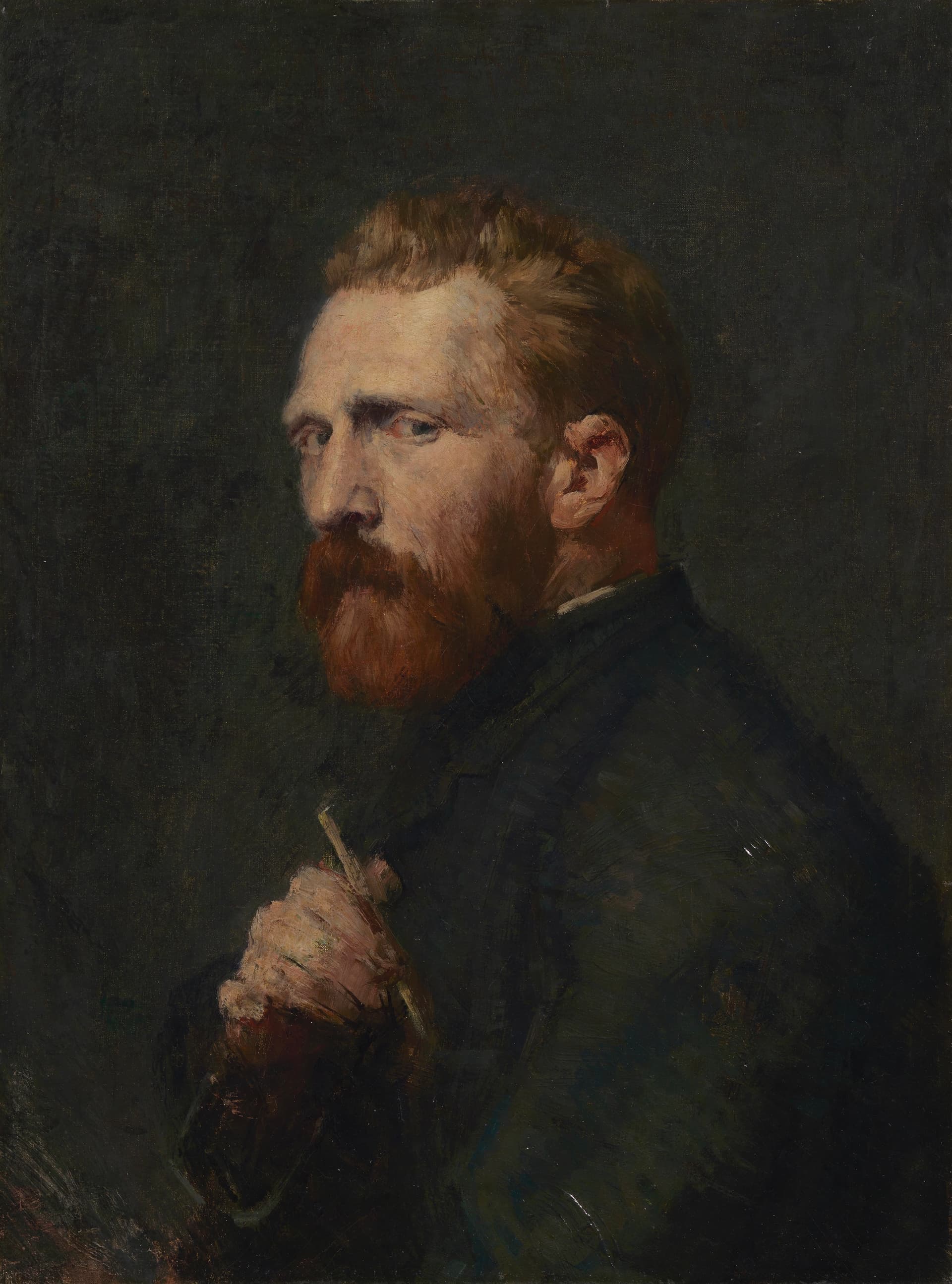
Vincent Willem van Gogh (30 March 1853 – 29 July 1890) was a Dutch Post-Impressionist painter who is among the most famous and influential figures in the history of Western art. In just over a decade he created about 2,100 artworks, including around 860 oil paintings, most of them in the last two years of his life. They include landscapes, still lifes, portraits and self-portraits, and are characterised by bold colours and dramatic, impulsive and expressive brushwork that contributed to the foundations of modern art. His suicide at 37 followed years of mental illness and poverty. Van Gogh is not simply one of the most celebrated artists in history but one of its most mythologized — a figure whose biography of suffering, obscurity, and posthumous triumph has become a narrative archetype of the misunderstood genius. Yet behind the mythology stands a body of work of genuine and extraordinary quality: paintings and drawings that achieved, in barely ten years of serious artistic practice, a formal and emotional revolution whose consequences reverberated through the entire subsequent history of Western art.
Listen
click play to listen
Archive